
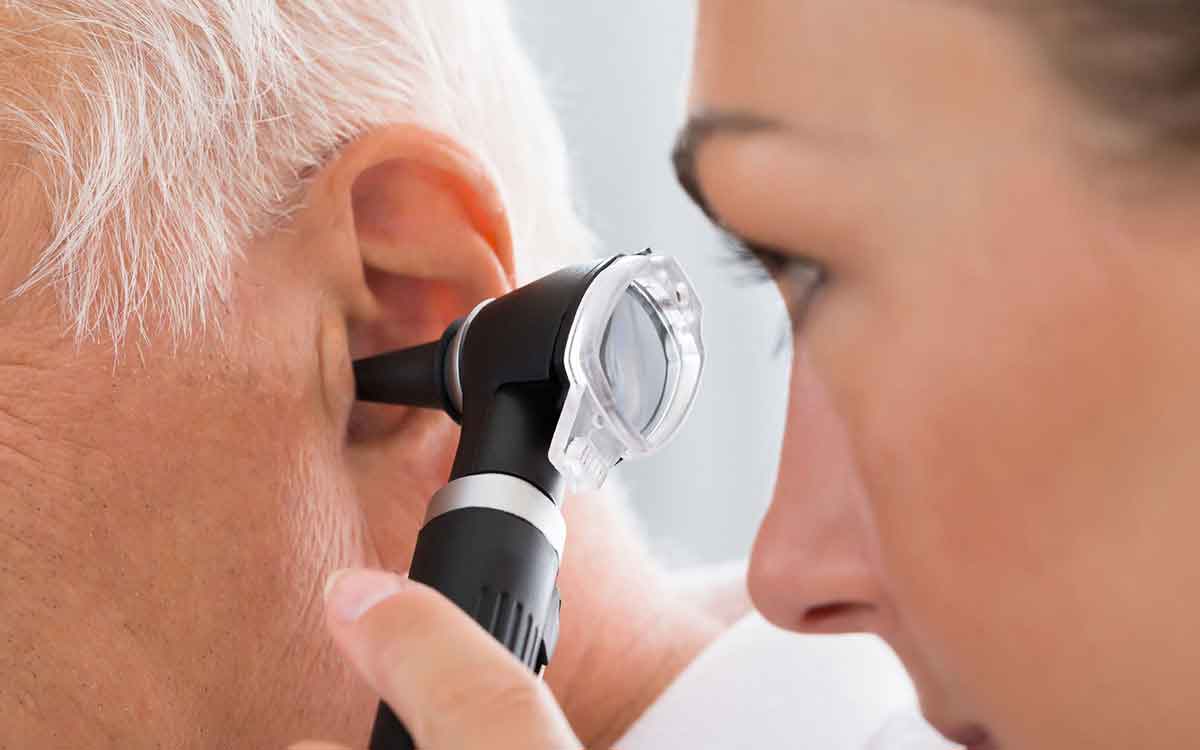
Auditory decline frequently advances as an incremental process, which often results in the condition being missed during its early development. Numerous individuals compensate subconsciously by increasing media volume, requesting frequent repetitions, or withdrawing from loud settings.
Seeking an early evaluation can help preserve hearing, enhance interpersonal dialogue, and protect overall quality of life.
Recognizing Typical Early-Stage Hearing Loss Symptoms
If you experience any of the following symptoms, it is advisable to undergo an audiological screening.
- Reduced clarity during dialogue in loud or crowded environments.
- A regular need of asking for verbal repetitions during daily interactions.
- The perception of indistinct vocal communication where words appear to merge.
- Setting higher volume levels for electronic devices beyond the comfort of family members.
- Reduced sensitivity to high-pitched stimuli such as bird songs or household alerts.
- Occasional ear ringing or humming characteristic of tinnitus.
- Feeling cognitively fatigued after social interactions, due to increased efforts to hear better.
- Withdrawing from social situations as dialogue has become stressful.
Initial auditory warnings could be present in one or both ears and might appear inconsistently at first. Because the brain adapts quickly, many people fail to recognize the extent of their subconscious adjustments until hearing loss becomes more noticeable.
Auditory Health: Current Statistics and Projections
According to official WHO data, over 700 million people will require hearing rehabilitation by 2050. Other significant statistics include:
- By 2050, approximately 2.5 billion people are projected to experience some degree of hearing loss.
- Over 5% of the world’s population (430 million people) necessitates support to address disabling hearing loss.
- In excess of 1 billion young adults face the threat of permanent hearing loss due to hazardous acoustic habits.
- Among those aged 60 and older, more than one-quarter have clinically significant hearing loss.
The Critical Importance of Early Identification
If left unaddressed, hearing loss may affect various aspects of your health beyond simple communication.
Clinical evidence shows a clear association between ignored hearing loss and social challenges, including isolation and depression.
Treating symptoms at the onset allows for more treatment options and improved clinical results.
A hearing evaluation can determine whether changes are due to presbycusis-driven hearing loss, acoustic trauma, earwax buildup, infection, or another medical condition.
Occasionally, auditory changes are temporary and resolve with intervention.
In permanent cases, the timely use of hearing protection or devices assists in managing the condition.
When to See a Hearing Specialist
An audiological visit is recommended if you experience:
- Auditory symptoms remain present for more than a few weeks.
- Auditory challenges interfere with occupational performance and social life.
- Instances of sudden decline, vertigo, or persistent ringing warrant prompt evaluation.
Auditory screenings are painless and noninvasive, plus they provide valuable insight into your hearing health.
Reach out to our specialists if you are interested in scheduling a baseline hearing evaluation.
Common Questions About Early-Stage Hearing Loss
Q: Are all auditory changes linked to getting older?
A: No, while aging is a factor, hearing loss can be precipitated by acoustic trauma, infection, or systemic health issues.
Q: Can hearing loss be reversed?
A: Some causes, like earwax buildup or infection, may be reversible. While other forms are irreversible, they can usually be managed with professional treatment or hearing technology.
Question: What is the recommended frequency for hearing screenings?
A: A baseline screening is advised by age 50, or sooner if clinical symptoms manifest.